what are you looking for?

Artificial intelligence is fundamentally reshaping SEO, moving it away from keyword stuffing and toward genuine user value. Modern search engines like Google employ AI algorithms—RankBrain, BERT, and MUM—to better understand search intent, context, and semantic relationships.
First, content creation has been transformed. AI tools can generate drafts, optimize headlines, and suggest related topics, but quality and originality remain key. Search engines penalize low-effort, AI-spun content that lacks expertise or authority.
Second, user experience signals now carry more weight. AI analyzes click-through rates, dwell time, and bounce rates to assess page relevance. Core Web Vitals and mobile-friendliness are no longer optional.
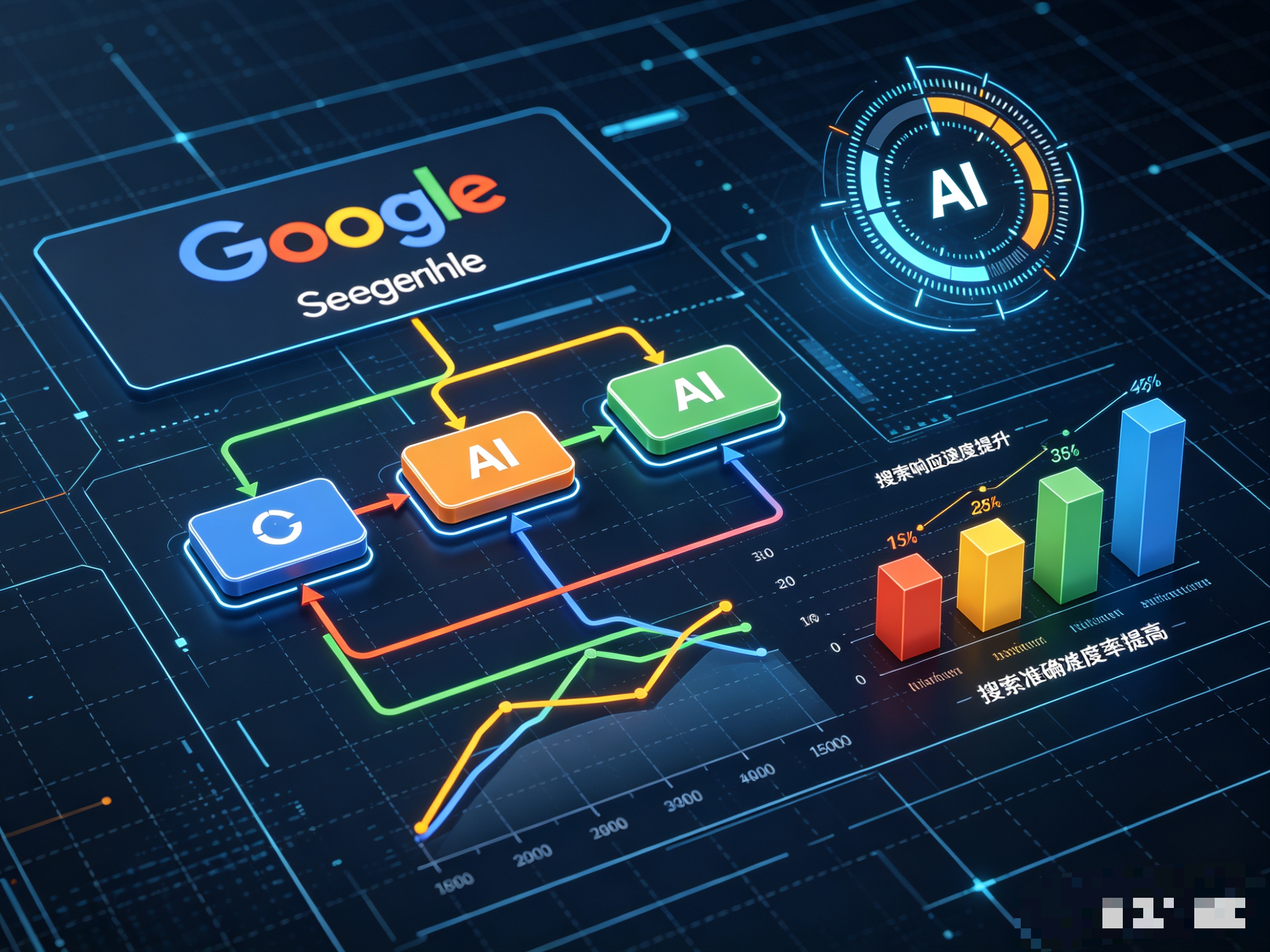
Third, keyword strategy has evolved. Instead of exact-match phrases, SEOs must focus on topic clusters and natural language queries—especially with the rise of voice search and conversational AI.
Finally, structured data and entity-based optimization help AI crawlers understand content context. Schema markup and knowledge graph integration boost visibility in featured snippets and zero-click searches.
In short, AI demands that SEO practitioners think like their audience—not like a robot. The future belongs to those who blend automation with authentic, helpful content.

 Add: No. 21, Lane 10, Yongxing Middle Road, Taihe Town, Baiyun District, Guangzhou, China
 Mobile:+86 -18594043134
 Email: cecilia@huccipack.com
 Whatsapp: +8618594043134


 Apply Free Sample




 Get Free Sample