what are you looking for?
Choosing plastic cosmetic jars is not only a matter of appearance. The jar has to work with the formula, filling process, closure system, decoration method and intended user experience. A jar that looks attractive in a rendering can still create problems if the opening is inconvenient, the closure does not seal consistently, the material is not suitable for the formula, or the decoration performs differently on the production surface.
For brands sourcing cream jars, balm jars or mask jars, the safest approach is to start with the product requirements and then work outward to material, capacity, structure, closure and decoration. This guide explains the main points buyers should review before approving custom plastic cosmetic jars for mass production.
Start with the Formula and Viscosity
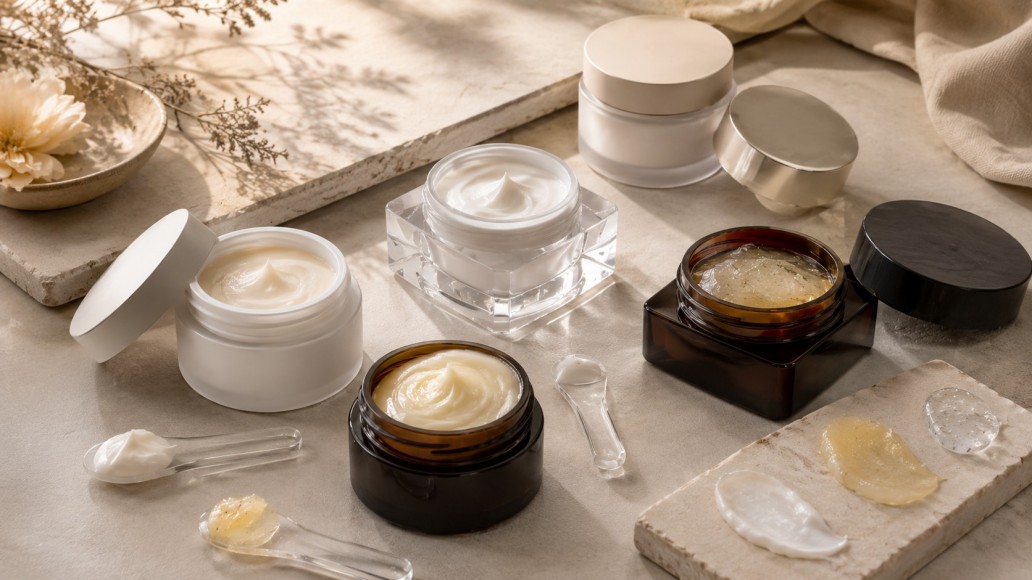
Begin with a written product brief. Record the formula type, viscosity, sensitive ingredients, target fill volume, expected shelf life, sales channel and filling method. These details help narrow the practical packaging options before color, shape or decoration are discussed.
Viscosity is especially important for jar packaging. A light cream, dense balm and thick wash-off mask may all use jars, but they do not create the same filling and usage conditions. The opening should allow convenient filling and product access, while the jar should also support clean, controlled use throughout the product life cycle.
Before placing an order, ask the packaging supplier which specifications are already confirmed and which points still require a sample, compatibility test or filling trial. A physical sample filled with the actual formula provides much more useful information than an empty jar or digital rendering alone.
Match the Jar Material and Structure to the Product
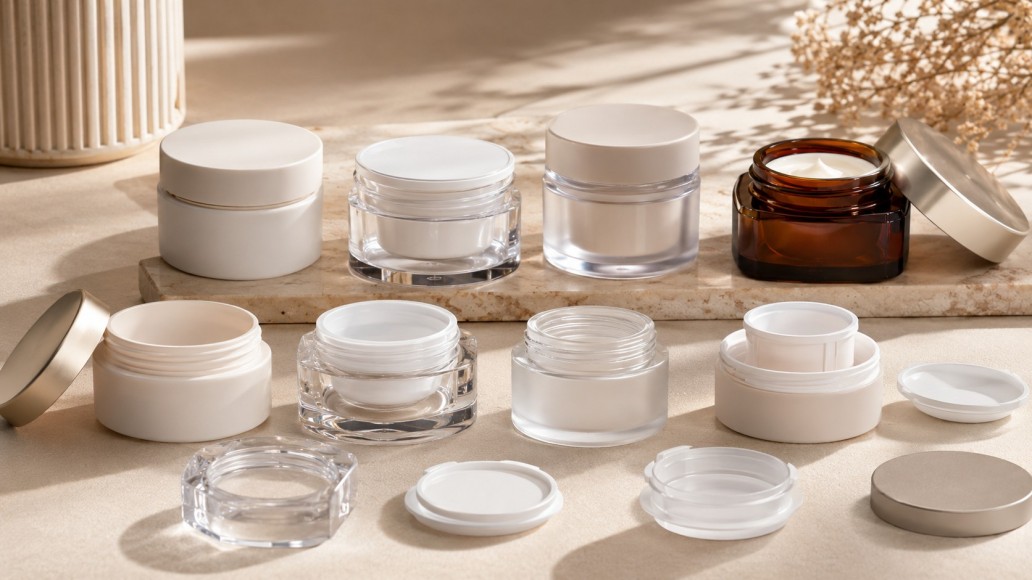
The material and component structure affect appearance, weight, feel, durability and formula contact. Do not choose a plastic cosmetic jar only from photographs. Review physical samples under normal lighting and compare wall thickness, surface finish, transparency or opacity, and the areas that will be in direct contact with the formula.
Buyers should also confirm whether the jar is a single-component or multi-component construction and whether any special material requirement applies to the project. If recycled content, a specific resin, special barrier performance or another material claim is important, request written information from the supplier instead of relying only on a verbal description.
Material choice should support both product performance and brand positioning. The best option is not automatically the heaviest, clearest or most complex jar; it is the one that delivers the required appearance while remaining practical for filling, assembly, shipping and repeat production.
Choose the Right Capacity, Shape and Opening
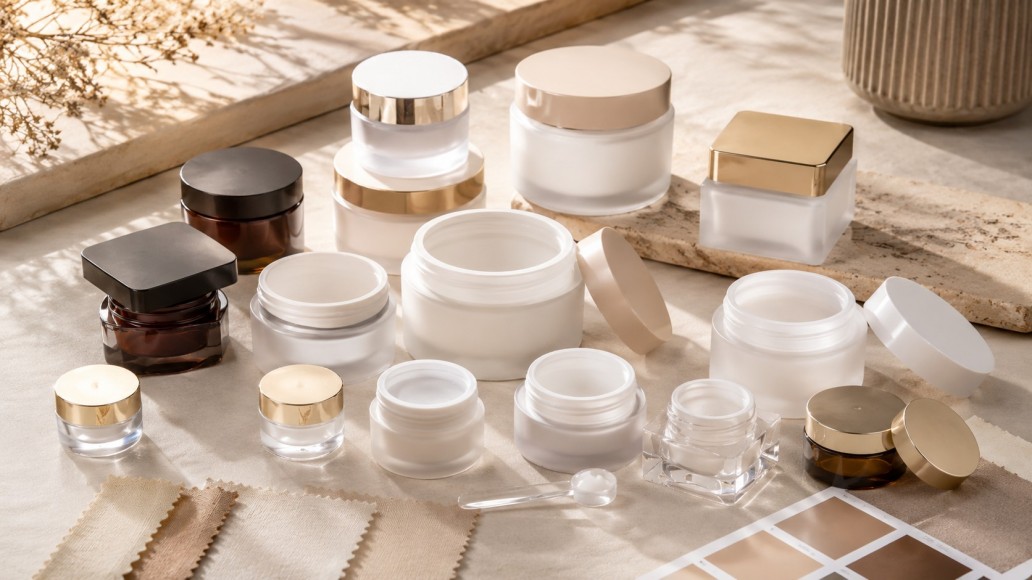
Nominal capacity is only one part of jar selection. Confirm the target fill volume, the jar's working capacity and any overflow capacity that matters to the filling process. Two jars sold under the same nominal size can have different internal dimensions, wall thickness and usable headspace.
The opening diameter also affects the user experience. Creams, balms and masks are commonly accessed directly from the jar, so the opening should make the formula easy to remove without creating unnecessary mess or product waste. The relationship between the opening, shoulder shape and jar depth should be checked with the actual formula rather than judged from a drawing alone.
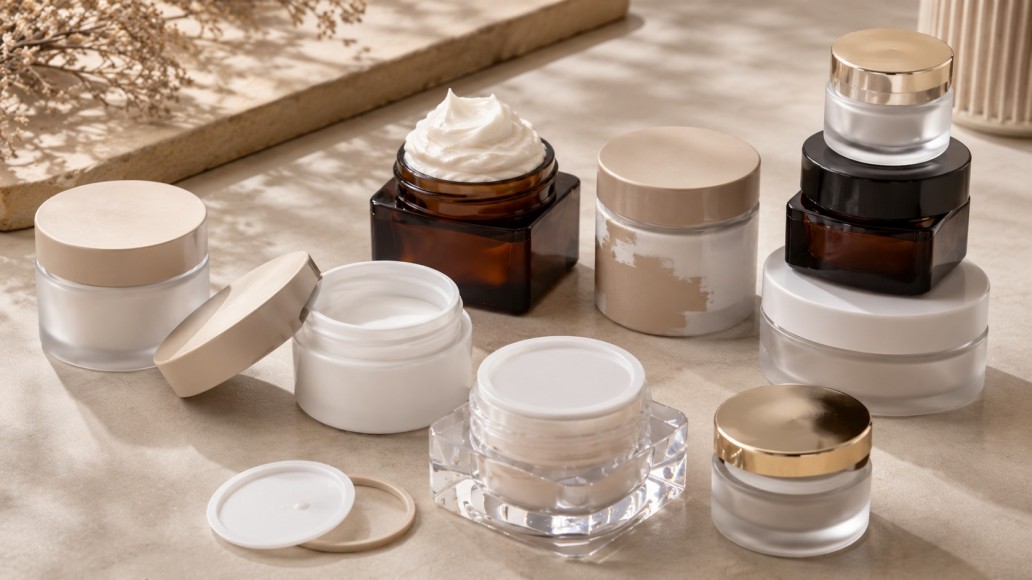
Shape influences more than visual style. A low-profile jar, tall jar, round jar or square jar can change filling efficiency, label or printing area, packing density and how the product feels in the hand. Compare samples with the final use case in mind.
Check the Closure, Liner and Sealing Performance
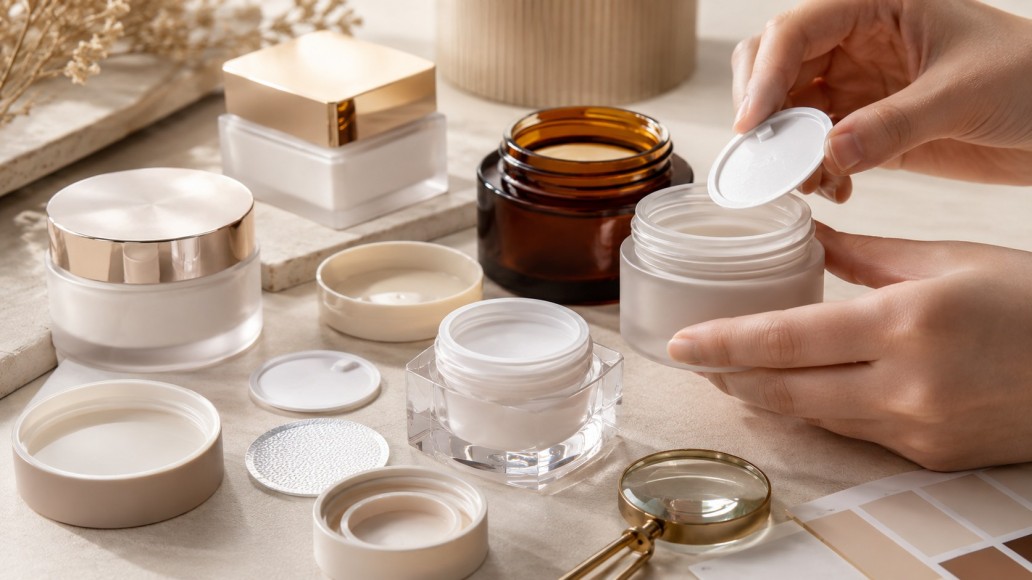
A cosmetic jar should be evaluated as a complete component set, not as an isolated base. Confirm the jar finish, closure dimensions, thread engagement, liner or gasket if used, and any inner sealing component included in the approved configuration.
The closure should tighten consistently without feeling loose, overly tight or uneven. Small dimensional changes can affect torque, sealing performance and the way the package opens after storage or transport. For this reason, approved jar and cap samples should be kept together as a reference set.
Leakage testing should be performed with the real product where possible. A package that appears secure when empty may behave differently after filling, temperature changes or transportation. If one component is changed after approval, repeat the relevant fit and sealing checks.
Plan Decoration Around the Real Jar
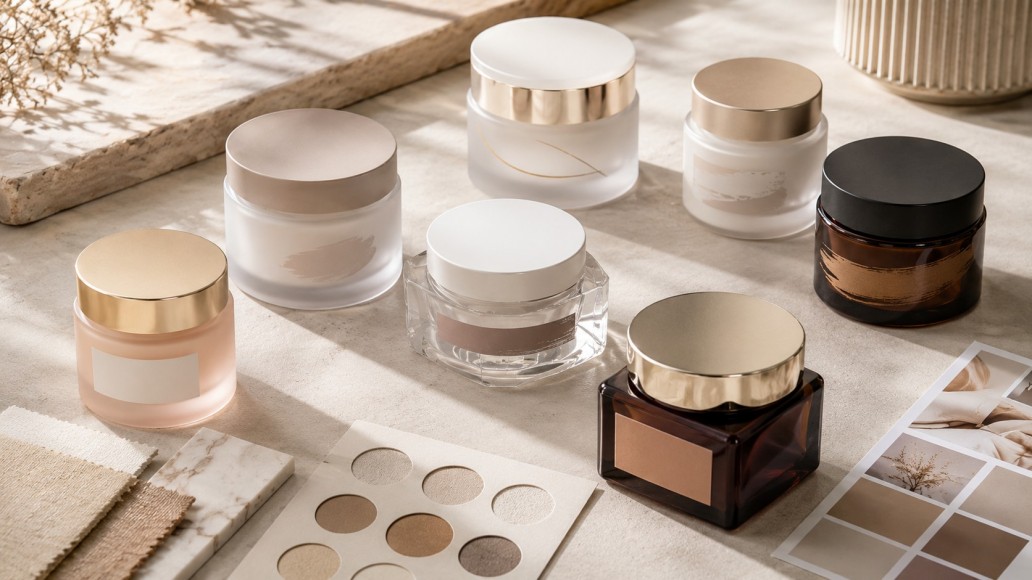
Decoration should be developed on the actual jar surface and shape. Curves, seams, molded details, surface treatments and color variation can all affect the final appearance. A design that looks perfect on a flat screen may need adjustment when applied to a three-dimensional container.
Provide vector artwork, define approved color references, confirm the printable area and agree on acceptable positioning and color variation before production. When possible, review both an artwork proof and a decorated physical sample.
For custom plastic cosmetic jars, decoration should support the brand without compromising readability or production consistency. The final approval standard should be clear enough that both the buyer and supplier can inspect mass production against the same reference.
Test the Complete Package Before Mass Production
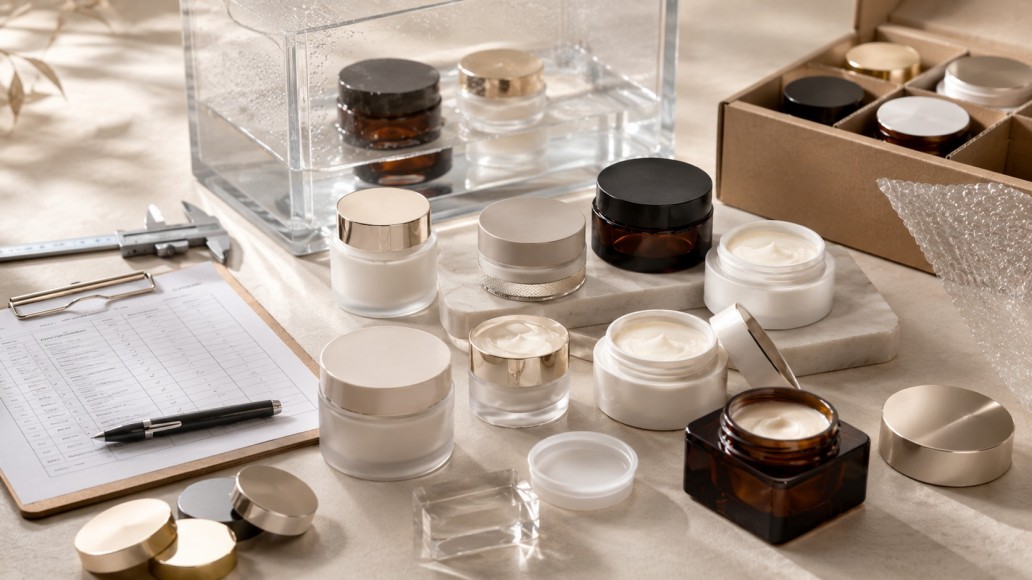
Testing should reflect the actual formula, component combination and market conditions. A practical evaluation normally includes filling checks, formula compatibility, closure fit, leakage performance, storage observations and transport testing relevant to the project.
Do not test the jar base, closure and decoration as separate decisions. They interact. A change in material, wall structure, liner, closure or surface treatment can change how the completed pack performs.
Before mass production, approve a final physical sample, written specification and artwork version. Keeping these records gives the factory, filler and brand a common reference and makes future reorders easier to control.
How to Evaluate a Plastic Cosmetic Jars Supplier
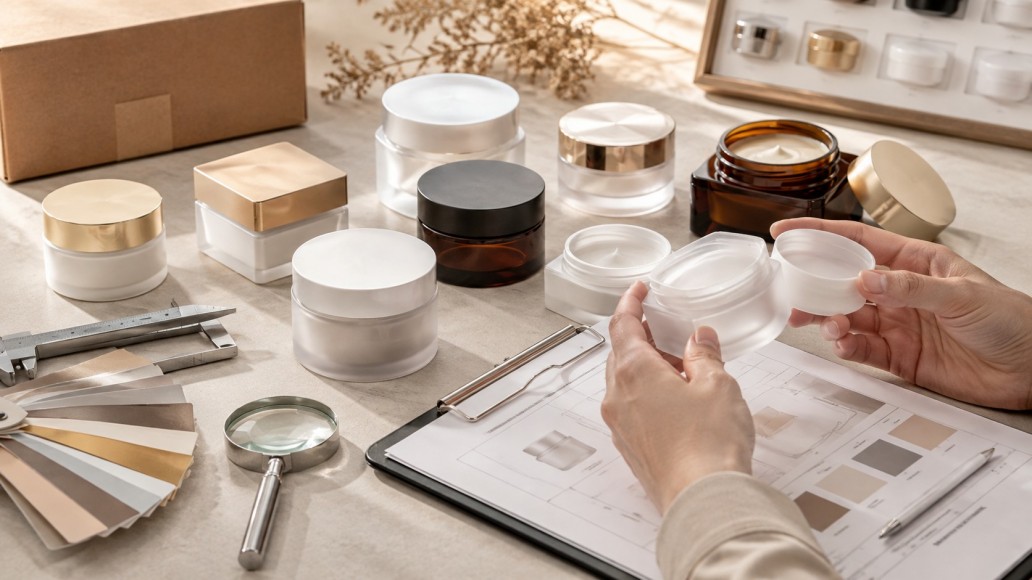
A reliable plastic cosmetic jars supplier should be able to do more than provide attractive product photos. Buyers need clear specifications, representative samples, component matching information and realistic answers about what still requires testing.
During supplier evaluation, check how clearly the supplier documents capacity, dimensions, materials, closure options, decoration requirements and quality criteria. Ask how samples are approved and how production is inspected against those approvals.
For custom plastic cosmetic jars, communication quality is also important. A supplier should flag uncertainties early, explain which details can affect compatibility or assembly, and keep the approved configuration consistent from sample stage to mass production. This reduces avoidable changes late in the project.
Practical Buying Checklist
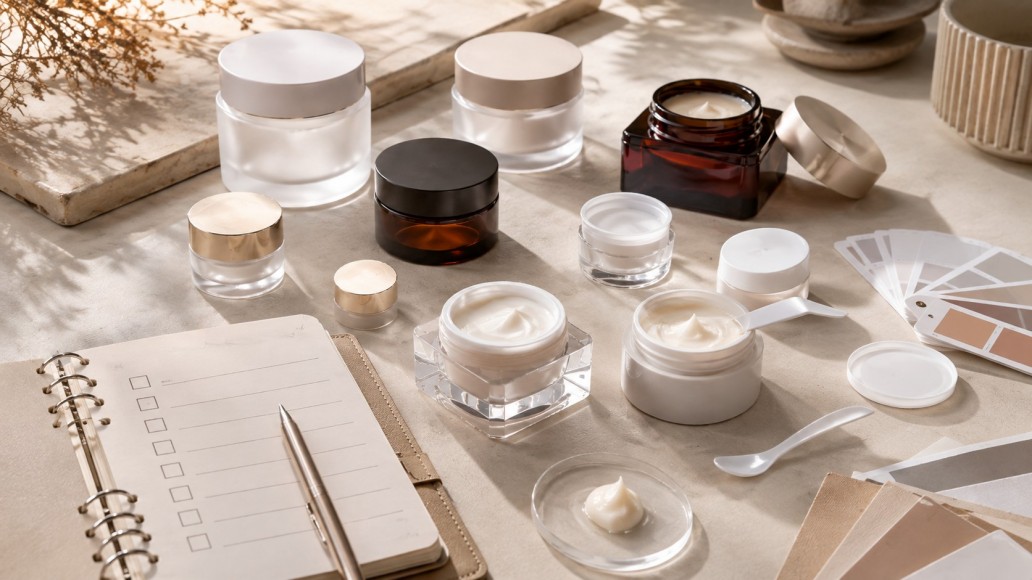
Use the following checklist before confirming a wholesale cosmetic packaging order:
Common Mistakes to Avoid
Most of these problems can be reduced through earlier alignment between the brand, filler and packaging supplier. The goal is to make important decisions while samples can still be adjusted, rather than after production has started.
Frequently Asked Questions
What should I provide when asking for a quotation for plastic cosmetic jars?
Provide the target capacity, formula type, approximate viscosity, preferred jar shape or reference, closure requirements, decoration needs, order quantity and destination market. If you already know filling or testing requirements, include them as well.
Should I test the actual formula in the jar before ordering?
Yes, whenever practical. An empty package cannot show every issue that may appear after filling, storage or transport. Testing the actual formula helps evaluate compatibility, sealing, product access and the overall user experience.
How do I choose the right jar opening for cream, balm or mask?
Evaluate the opening together with formula viscosity, filling method and how consumers will remove the product. A physical filled sample is the most reliable way to judge whether the opening and jar depth are convenient.
What should be approved before custom decoration goes into production?
Approve the final artwork, print or decoration area, color reference, position tolerance and a decorated sample when possible. The approval standard should be clear enough to use during production inspection.
What should I look for in a plastic cosmetic jars supplier?
Look for clear specifications, stable component matching, representative sampling, documented material information, realistic testing guidance and consistent quality-control procedures. Strong communication during development is as important as the sample appearance.
Conclusion
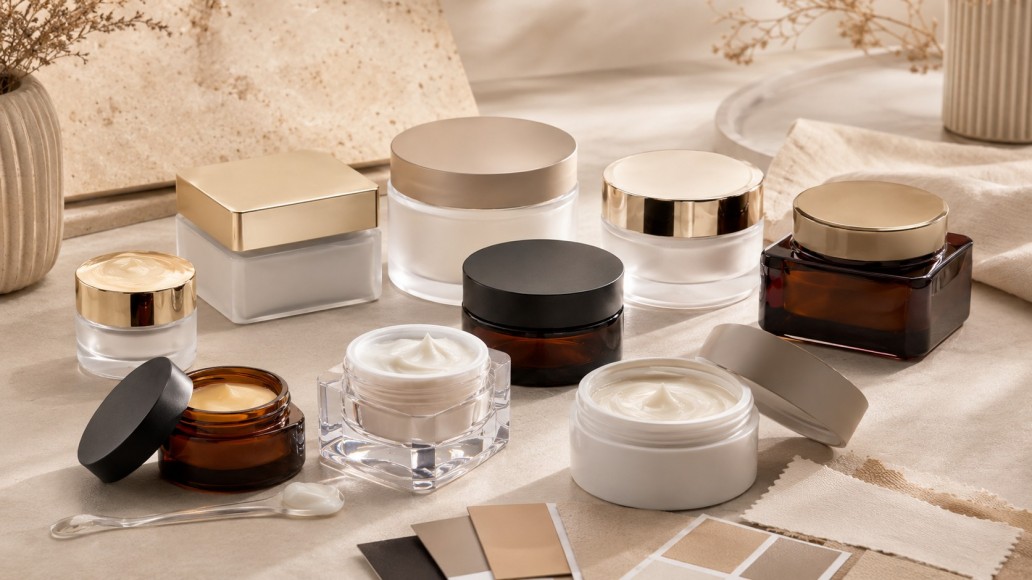
The best plastic cosmetic jars are the ones that balance formula protection, convenient use, reliable sealing, brand presentation and a realistic supply plan. Start with the formula, confirm the complete jar-and-closure combination, test the filled package and document the approved specification before mass production.
If you are sourcing custom plastic cosmetic jars for cream, balm or mask products, prepare your target capacity, formula information, closure preference, decoration requirements and expected order quantity before contacting a supplier. A clear brief makes sample selection faster and helps turn an attractive packaging idea into a repeatable production specification.

 Add: No. 21, Lane 10, Yongxing Middle Road, Taihe Town, Baiyun District, Guangzhou, China
 Mobile:+86 -18594043134
 Email: cecilia@huccipack.com
 Whatsapp: +8618594043134


 Apply Free Sample




 Get Free Sample