what are you looking for?
Choosing between PE, ABL and PBL cosmetic tubes is more than a material decision. The tube structure can influence formula protection, squeeze feel, decoration quality, filling performance, transport reliability and the way a finished product is perceived on the shelf. For skincare, sunscreen, cleanser, hand cream and other semi-liquid formulas, the wrong structure can create avoidable problems such as paneling, leakage, poor product evacuation or inconsistent decoration.
This buyer-friendly guide compares the practical differences between PE ABL PBL cosmetic tubes and explains what to confirm with a packaging supplier before mass production. The goal is not to declare one material universally “best,” but to help buyers match the tube structure to the formula, brand position, filling process and market requirements.
PE, ABL and PBL Tubes at a Glance
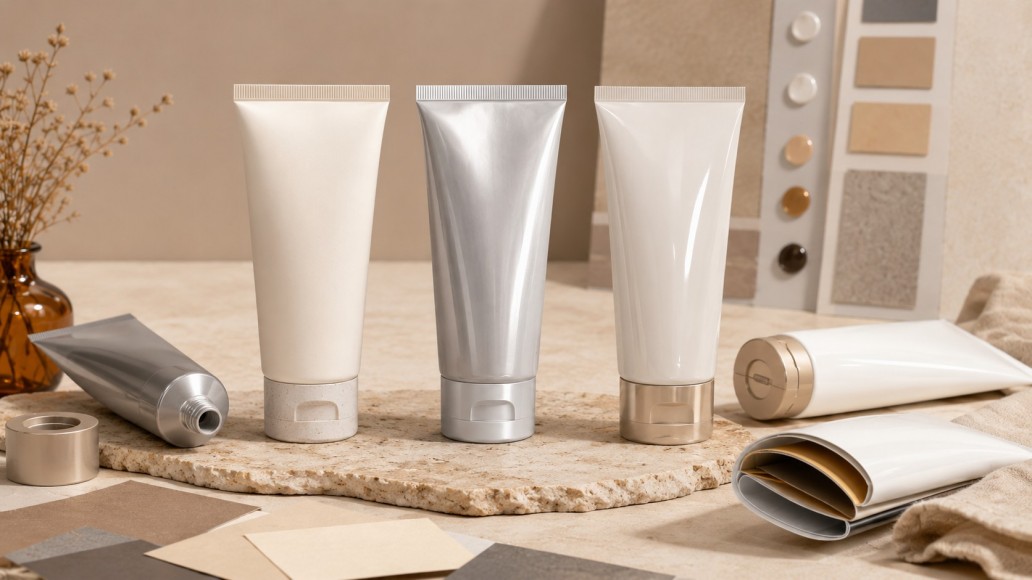
The exact performance of any tube depends on its layer construction, thickness, closure system and supplier specification. As a practical starting point, buyers can use the following comparison:
| Factor | PE Tube | ABL Tube | PBL Tube |
| Typical structure | Polyethylene-based mono-layer or multi-layer tube | Laminate structure with an aluminum barrier layer | Plastic laminate structure, often designed with a plastic barrier layer |
| Barrier potential | Low to moderate, depending on the exact multi-layer design | Generally high against oxygen, moisture and light | Moderate to high, depending on the barrier layer and construction |
| Appearance | Soft, seamless body with a familiar squeeze-tube feel | Crisp laminate surface; foil layer can influence feel and recovery | Smooth laminate appearance with strong decoration potential |
| Squeeze behavior | Usually soft and flexible with good recovery | Can feel firmer and may hold creases more readily | Often balances laminate structure with a more plastic-like squeeze feel |
| Best fit | General skincare and formulas without unusually high barrier demands | Formulas that need stronger barrier protection | Brands seeking a laminate look with an all-plastic-oriented structure |
| Sustainability note | Recyclability depends on design and local collection systems | Multi-material aluminum laminate can be harder to recycle in many systems |
May offer a more plastic-focused route, but recyclability still depends on exact structure and local infrastructure |
Understand the Structure of PE, ABL and PBL Cosmetic Tubes
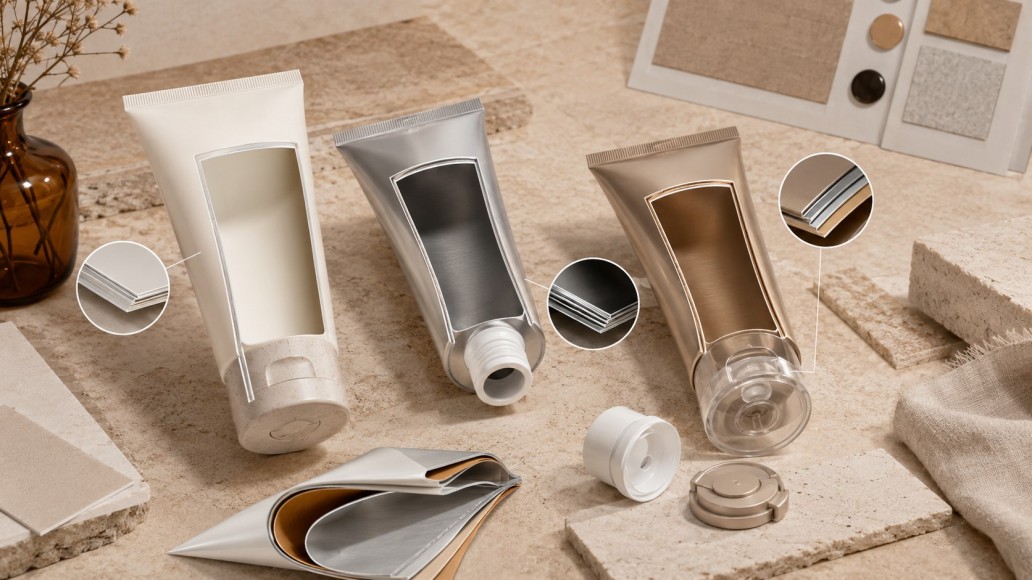
PE tubes are built primarily from polyethylene and may use a single-layer or multi-layer structure. They are widely used because they are flexible, lightweight and familiar to consumers. Depending on the specification, a multi-layer PE tube can add barrier functionality while maintaining a soft hand feel. Buyers should ask for the exact layer structure rather than assuming that every PE tube offers the same protection.
ABL stands for aluminum barrier laminate. The laminate includes an aluminum layer that provides a strong barrier and can help protect formulas that are sensitive to oxygen, moisture or light. ABL is commonly chosen when barrier performance is a priority. Because the structure contains both plastic and aluminum, its feel, crease behavior and recycling pathway can differ from an all-plastic tube.
PBL stands for plastic barrier laminate. Instead of an aluminum foil barrier, the tube uses a plastic-based laminate construction. This can provide a clean, uniform decoration surface and a squeeze feel that many brands prefer for modern skincare packaging. Barrier performance varies by structure, so the supplier should provide the exact material specification and any available compatibility or barrier data relevant to the project.
Compare Barrier Performance and Formula Protection
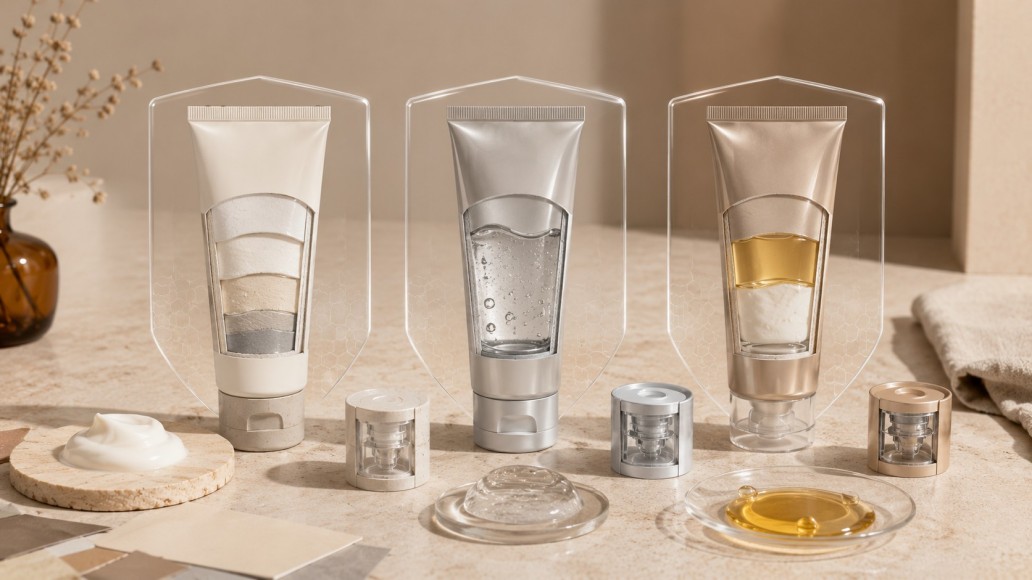
Barrier performance is one of the most important differences among PE, ABL and PBL cosmetic tubes. A formula with fragrance, active ingredients, volatile components or a long intended shelf life may need more protection than a basic rinse-off product. The required barrier should be defined from the formula and test plan—not from the tube name alone.
ABL often provides the strongest barrier starting point, but a well-specified PBL or multi-layer PE tube may be sufficient for many cosmetic formulas. The correct choice should be confirmed by filled-product testing under conditions that reflect the target market and shelf life.
Compare Appearance, Decoration and Printability
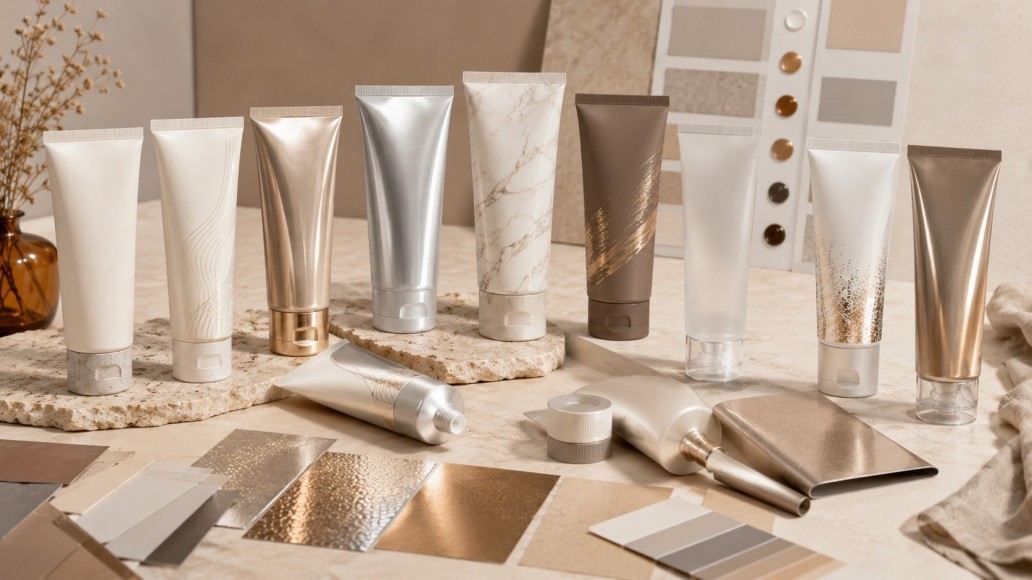
The tube surface affects more than graphics. It also influences gloss, tactile feel, color consistency and how accurately the final package matches the brand design. PE tubes can offer a soft seamless appearance, while laminate tubes provide a smooth printable web before the tube body is formed. ABL and PBL can therefore be attractive when a design requires crisp graphics or a controlled premium finish.
Before approving decoration, review a physical decorated sample under normal lighting. Confirm the print method, color standard, artwork position, seam visibility, varnish or coating, foil or metallic effects, and the acceptable tolerance for color and registration. If the brand needs custom PE ABL PBL cosmetic tubes, decoration approval should be based on the real production substrate rather than only a digital rendering.
Compare Squeeze Feel, Shape Recovery and Product Evacuation
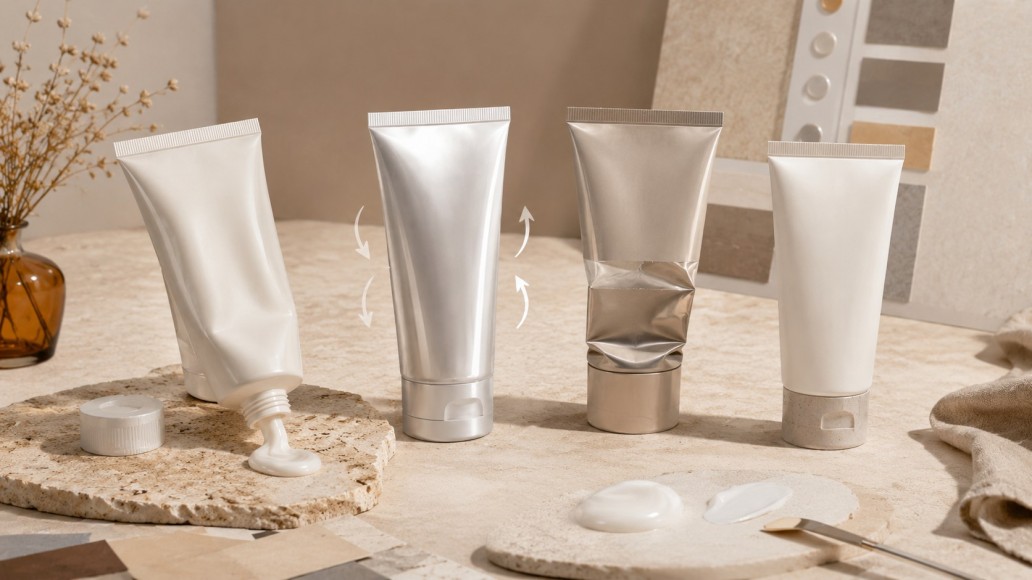
Consumer experience depends heavily on how the tube behaves in the hand. PE usually feels soft and resilient. Laminate tubes can feel more structured, and some constructions may retain visible creases after repeated squeezing. This is not automatically a defect; it is a design and user-experience characteristic that should be evaluated against the brand position and formula viscosity.
For thick creams, gels or masks, test how easily the product moves toward the orifice and how much formula remains in the tube near the end of use. For lower-viscosity formulas, check whether the selected orifice and closure provide enough control. Product evacuation should be tested with the real formula, not water or an empty package.
Check Filling, Sealing and Production Compatibility
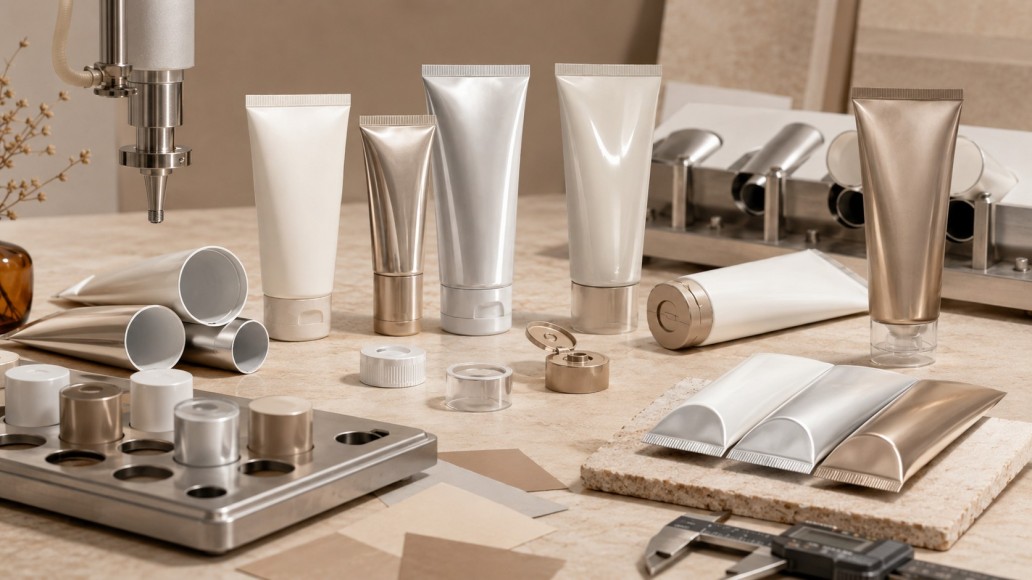
A tube that looks correct can still fail on the filling line if dimensions, sealing behavior or closure specifications are not aligned with the equipment. Before mass production, confirm the tube diameter, overall length, fill volume, head style, neck finish, orifice, closure, cap orientation where relevant, and the intended sealing method.
Recyclability and Sustainability Considerations
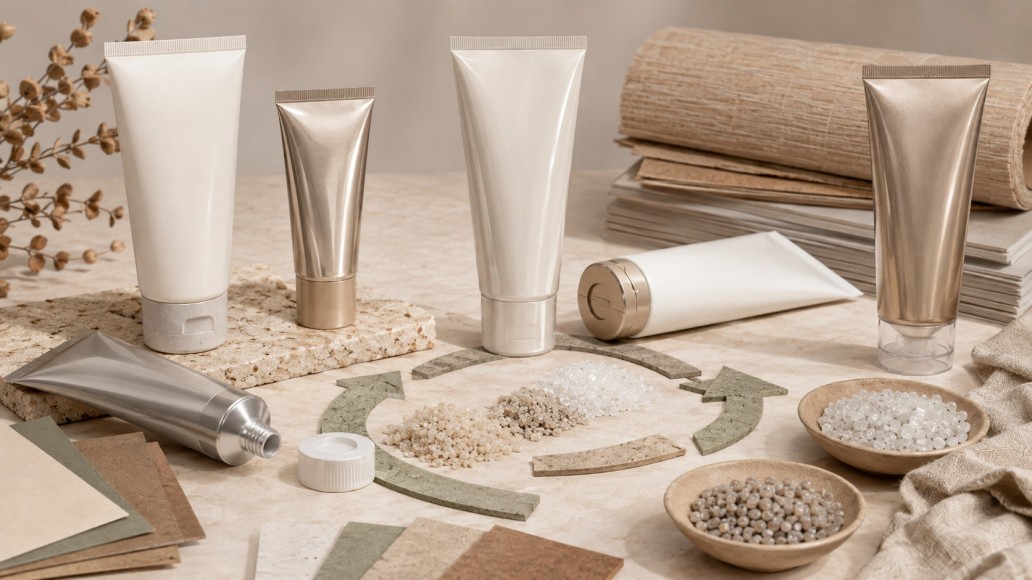
Sustainability claims need careful qualification. A package being “plastic-based” does not automatically make it recyclable in every market, and a multi-material structure can behave differently in collection and reprocessing systems. Local infrastructure, tube design, barrier layers, closures, inks and other components all matter.
PE-based designs may align more closely with polyethylene recycling streams when the complete construction is compatible with local systems. ABL includes an aluminum layer and is generally more complex to recycle through conventional plastic streams. PBL may provide a more plastic-oriented structure, but buyers should still request written composition information and avoid making environmental claims that are not supported by the exact package and target-market guidance.
How to Choose the Right Tube for Your Formula
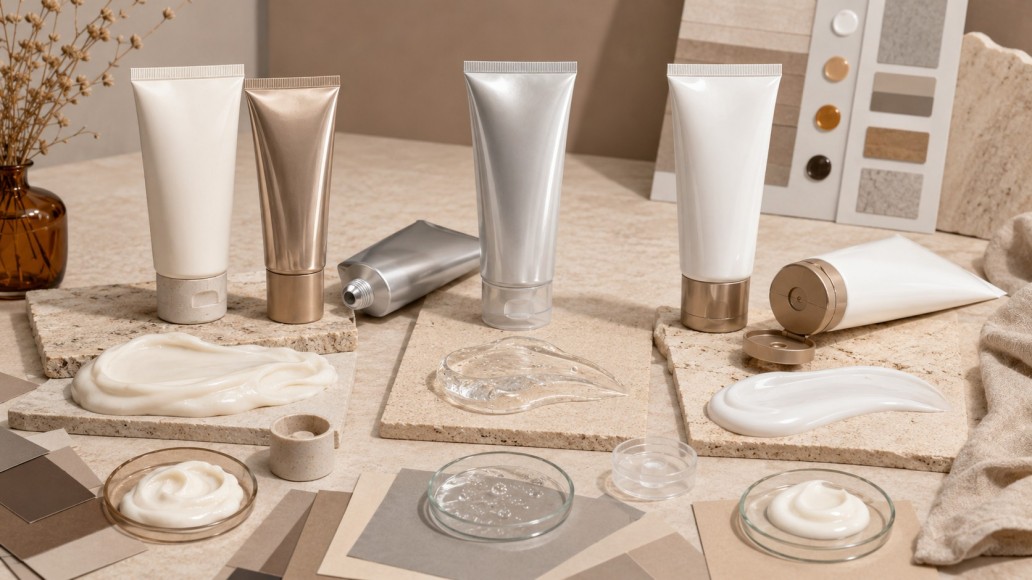
A practical selection starts with the product brief. Define formula sensitivity, viscosity, target volume, dispensing experience, shelf-life expectation, sales channel, decoration requirements, sustainability goals and target cost. Then compare structures against those priorities.
Choose PE when: you prioritize a soft squeeze feel, familiar tube behavior and a relatively simple polyethylene-based solution, provided the formula does not require a higher barrier than the chosen structure can deliver.
Choose ABL when: barrier protection is a major requirement and the formula or market benefits from the strong protection associated with an aluminum laminate layer.
Choose PBL when: you want a laminate tube with strong printability and a plastic-based barrier construction, subject to confirmation that the selected structure meets formula-protection and recycling requirements.
How to Evaluate a PE ABL PBL Cosmetic Tubes Supplier
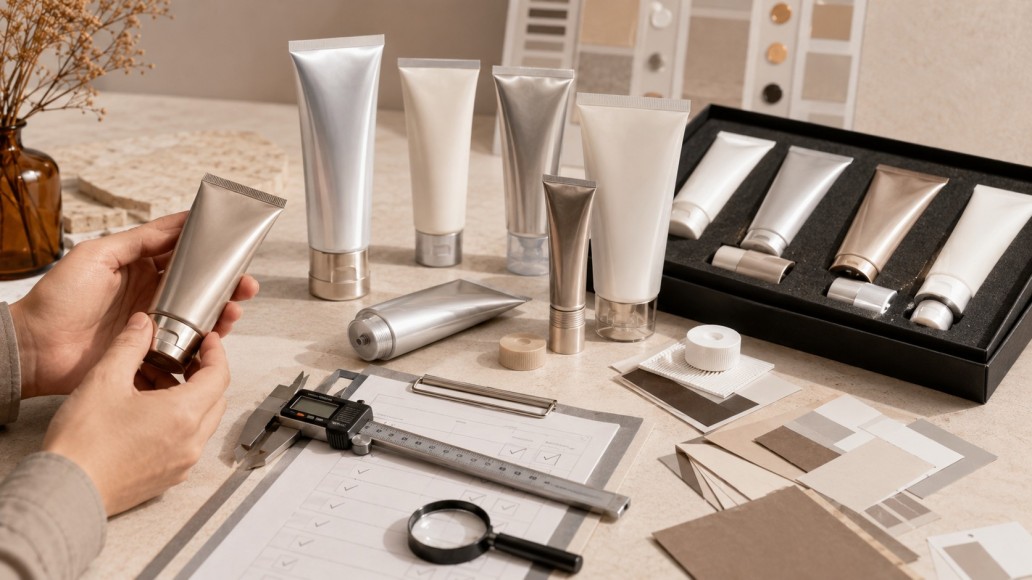
A capable PE ABL PBL cosmetic tubes supplier should help translate the product brief into measurable packaging specifications rather than simply offering a catalog image. Evaluate whether the supplier can provide representative samples, material and layer information, dimensional tolerances, decoration options, quality standards and testing support.
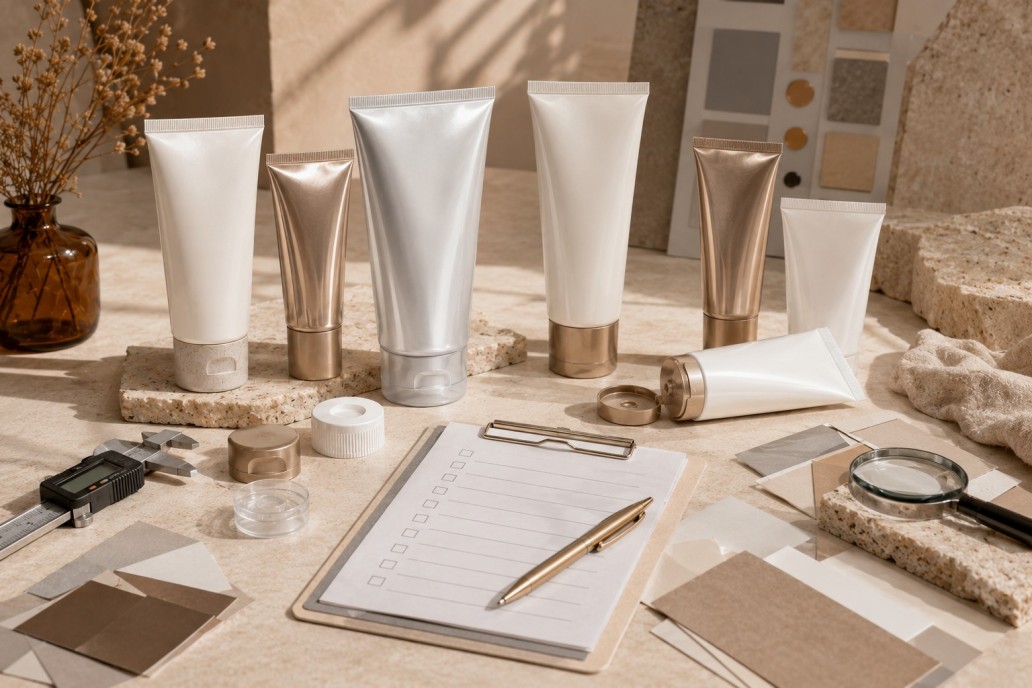
Practical Buying Checklist
Common Mistakes to Avoid
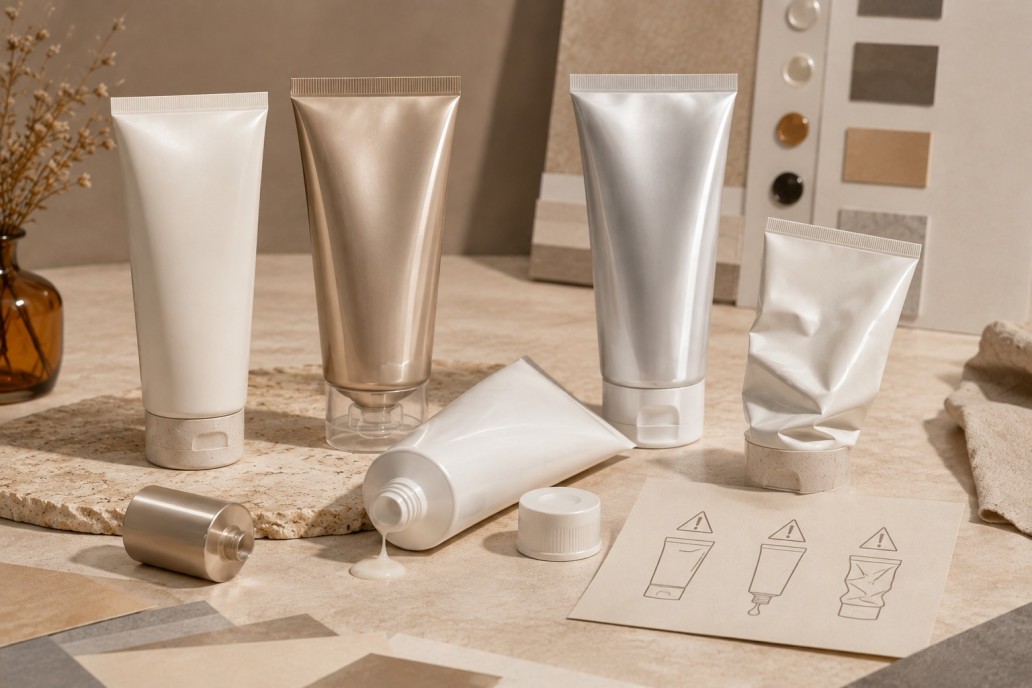
Choosing only by appearance: A visually attractive tube may not provide the required barrier, squeeze feel or line compatibility.
Assuming all PE, ABL or PBL structures perform the same: Layer design and thickness can vary significantly between specifications.
Approving decoration before confirming the structure: The substrate and forming process can affect color, gloss and print appearance.
Testing an empty tube only: Leakage, compatibility, dispensing and evacuation should be evaluated with the actual formula.
Changing a closure or tube dimension without retesting: Small component changes can affect fit, sealing and consumer use.
Making unsupported sustainability claims: Recyclability depends on the exact package and local collection and processing systems.
Frequently Asked Questions
Which has the best barrier performance: PE, ABL or PBL?
ABL is often selected when a strong oxygen, moisture and light barrier is needed, but the actual comparison depends on the precise construction of all three options. Buyers should confirm the supplier specification and validate the filled product.
Is PBL always recyclable?
No. PBL is plastic-based, but recyclability depends on the complete laminate structure, closure and the collection and processing systems available in the target market.
Are PE tubes suitable for skincare creams?
Yes, PE tubes are widely used for skincare. The final decision should consider formula compatibility, required barrier, viscosity, dispensing and shelf-life expectations.
Can ABL and PBL tubes be customized?
Yes. Custom PE ABL PBL cosmetic tubes can use different diameters, lengths, closures, colors and decoration methods, subject to supplier capabilities, tooling and order quantity.
What should I send to a tube supplier for a quotation?
Provide the target volume, tube diameter or preferred size, formula type and viscosity, required structure if known, closure and orifice requirements, decoration artwork, estimated quantity, target market and any testing or sustainability requirements.
Conclusion
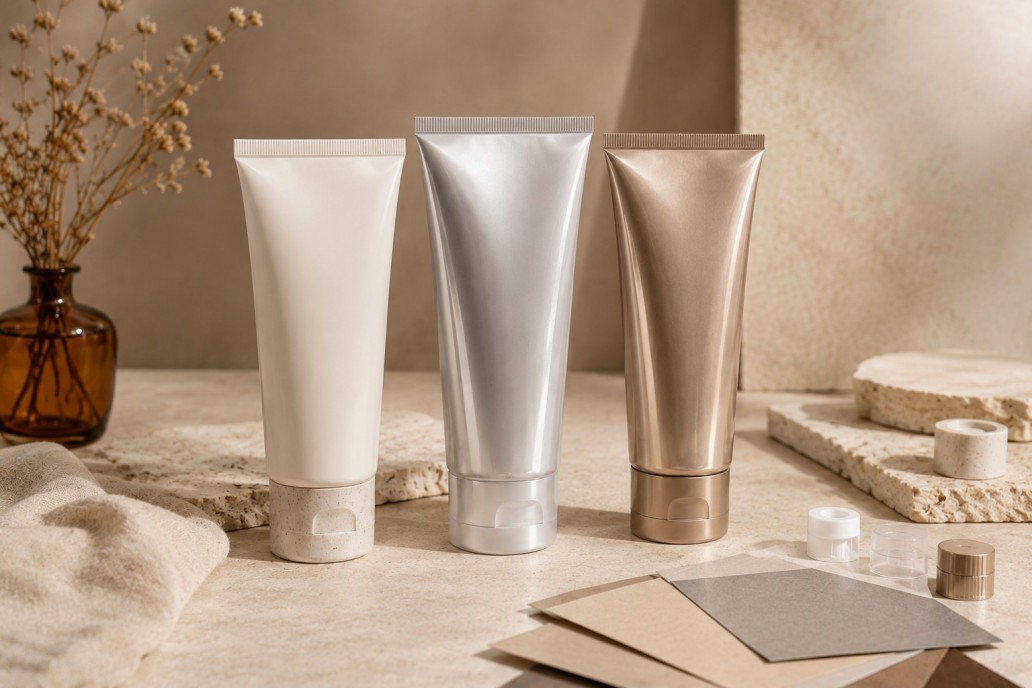
There is no single best material for every project. PE, ABL and PBL cosmetic tubes each offer a different balance of barrier protection, squeeze behavior, appearance, decoration potential, production compatibility and sustainability considerations. The best choice is the structure that protects the formula, works reliably on the filling line, supports the intended user experience and can be reproduced consistently at scale.
Before placing a bulk order, compare physical samples, review the full written specification and test the actual formula in the complete package. A qualified supplier can help narrow the options and turn the selected design into a repeatable production standard for wholesale cosmetic packaging projects.

 Add: No. 21, Lane 10, Yongxing Middle Road, Taihe Town, Baiyun District, Guangzhou, China
 Mobile:+86 -18594043134
 Email: cecilia@huccipack.com
 Whatsapp: +8618594043134


 Apply Free Sample




 Get Free Sample